

Baharat
Arabic word for "spices" and a complex seasoning blend

Baharat (pronounced ba-har-ot) means “spices” in Arabic – and that’s exactly what the seasoning blend is: a versatile mix of warm spices used commonly in Arabic cuisines and throughout the Middle East. Each region, family and cuisine puts their unique twist on the blend.
Chef Michael Solomonov describes it as the Turkish version of pumpkin pie spice in his first cookbook, Zahav: A World of Israeli Cooking. Well, that’s one version of a pumpkin spice latté Beth wants to try!
Meet: The Baharat Blend
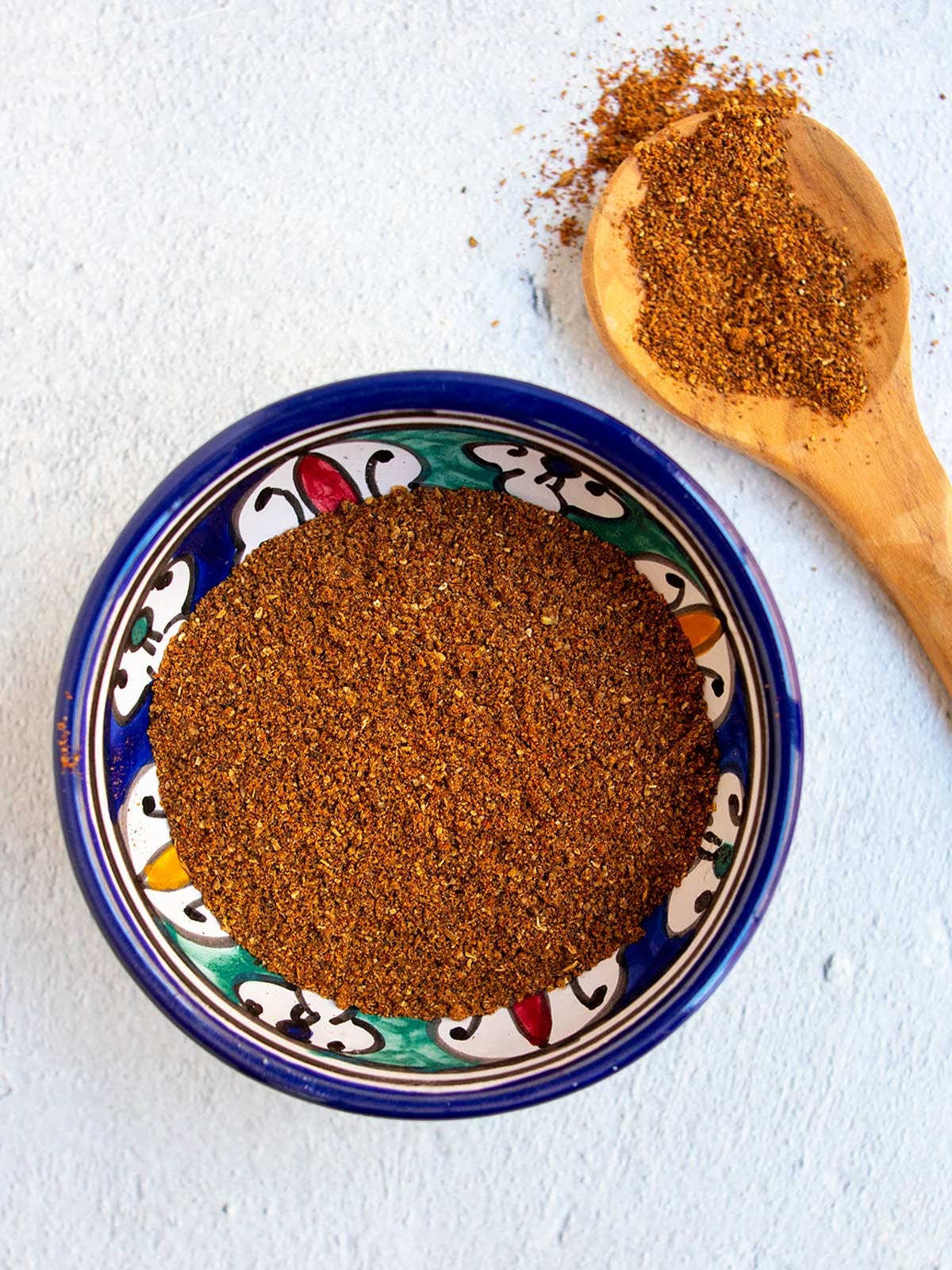
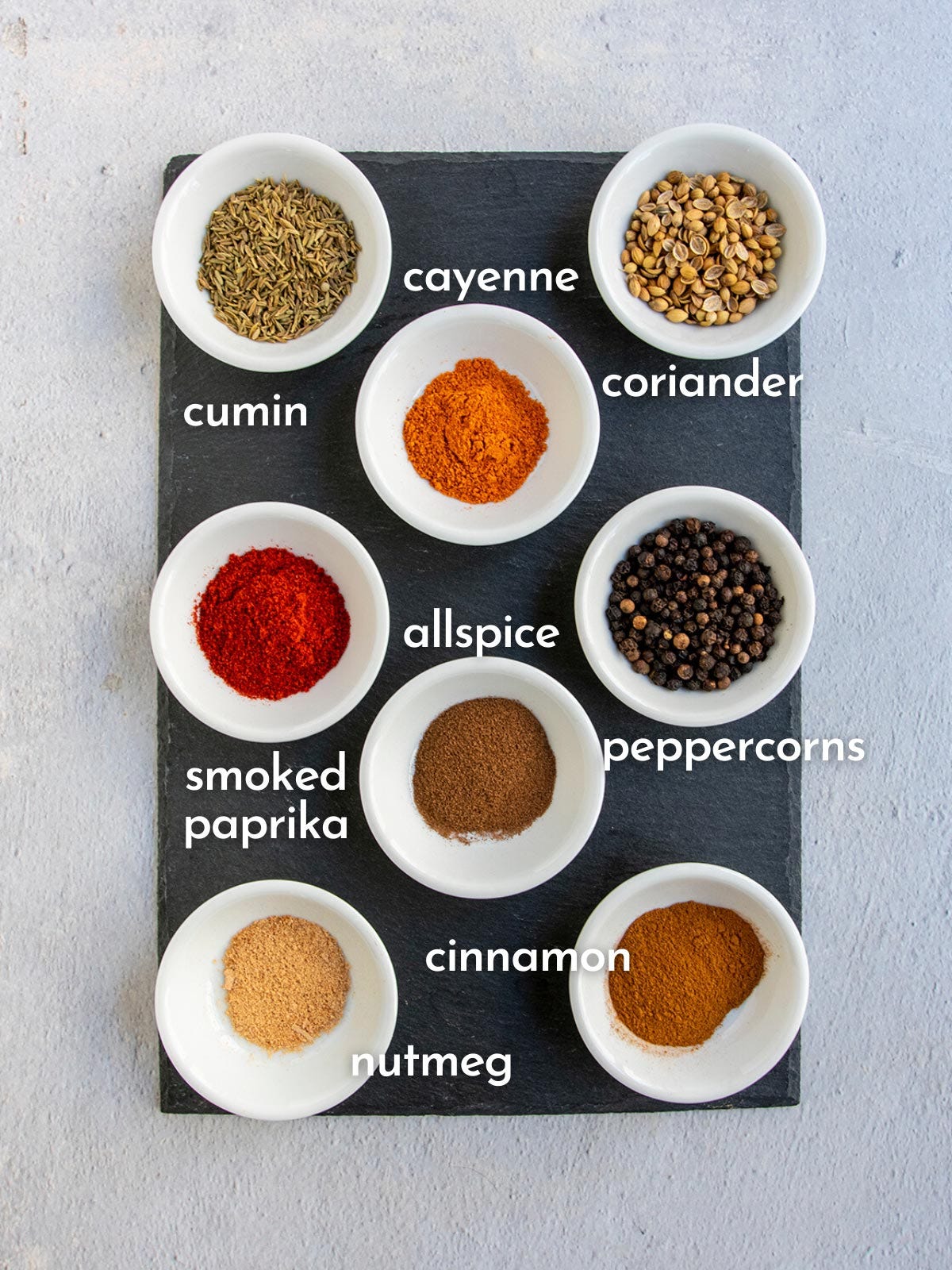
At its core, baharat is a warming spice blend with black pepper, coriander, paprika, nutmeg, cumin, cloves and cinnamon. The Jerusalem cookbook takes this base mixture and adds allspice and cardamom, leaving out the paprika.
If you dig further, you'll find recipes with dried mint (Turkish influence), oregano, rose petals (Tunisian influence), ginger and red chiles. In the Persian Gulf region, baharat features dried black lime and saffron.
Baharat’s BFFs: Baharat shines in stews, soups with vegetables, as a dry rub and in marinades. It can also be used to spruce up starchy side dishes like rice, lentils and pilafs.
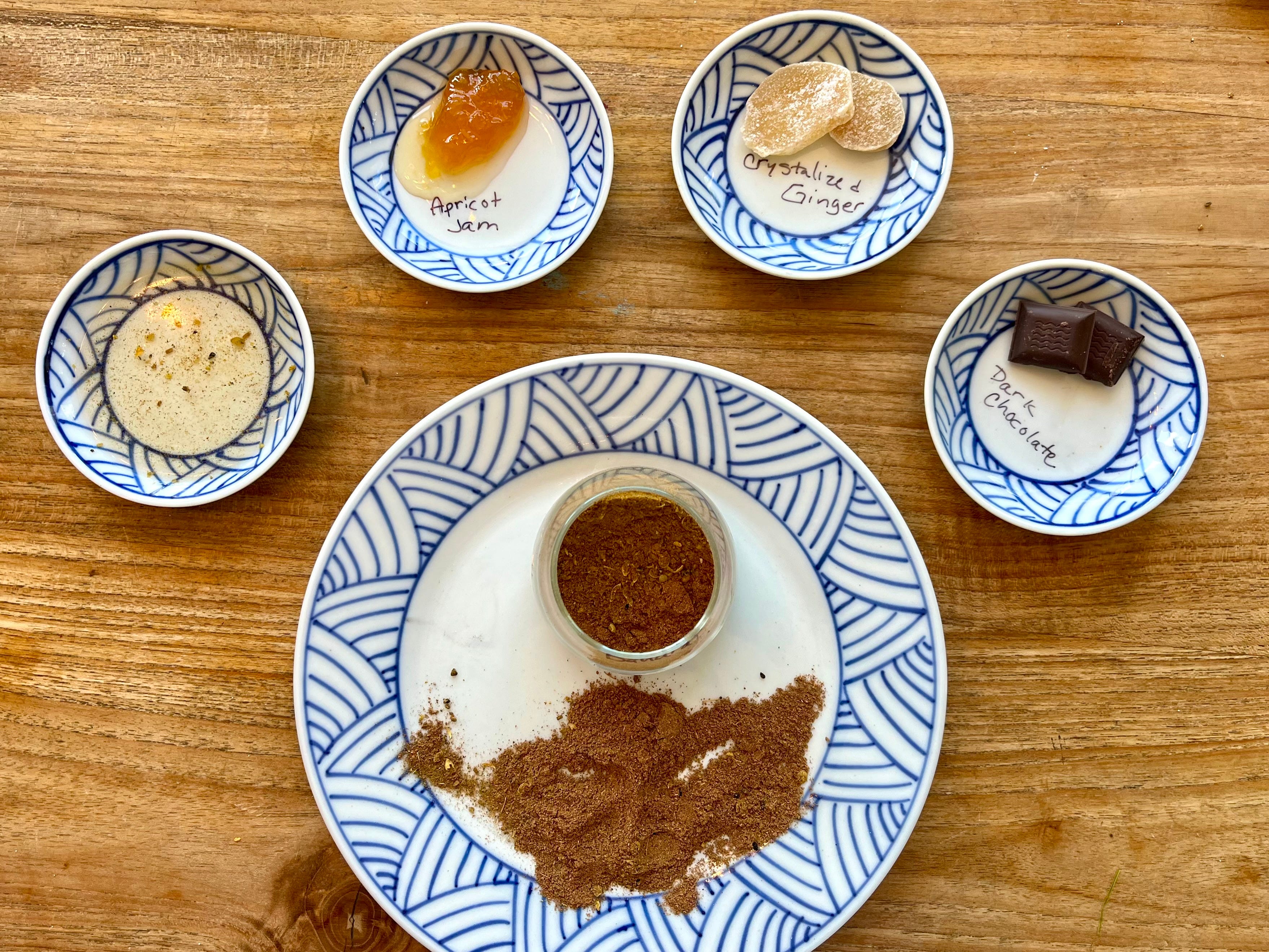
And in recent years, we've seen it used more and more in sweet applications. Chocolate is one beautiful pairing. Sarene recently did a tasting pairing baharat with several different ingredients. One of her favorites became baharat-spiked chocolate pudding with a splash of rose water. Check out her video about her baharat taste test!
Buy or Make: It’s easy to make your own blend at home — Beth’s version uses smoked paprika and some spicy cayenne, but no cardamom. Feel free to try your own combinations. We love the warmth and mild-but-prevalent heat of this combo. Give it a whirl and then change it up however it suits you! Check out Beth’s recipe on her blog and this video showing how to make it:
If you want to buy a premade blend, here are a couple of good options:
Now What?
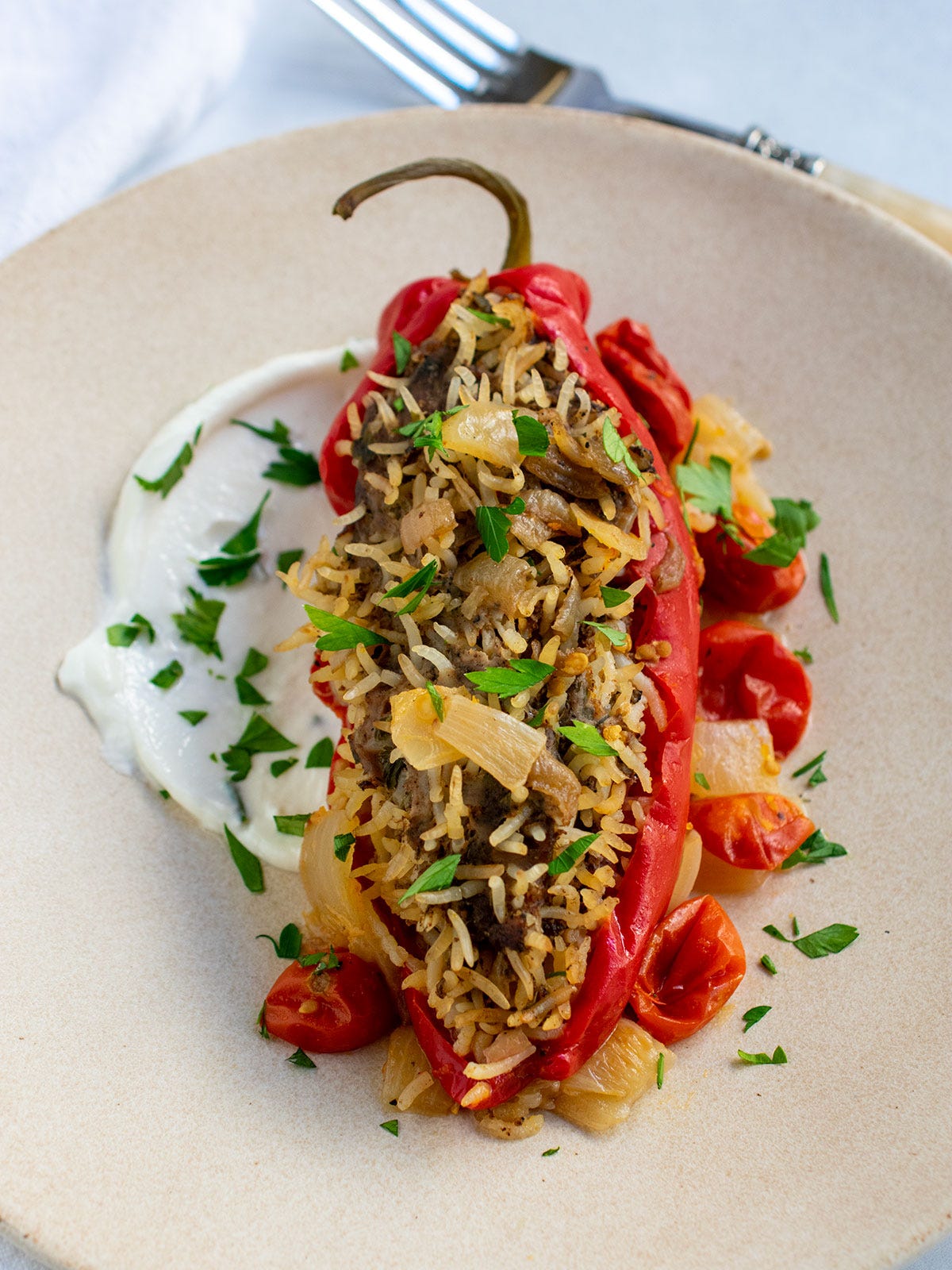
Start experimenting (like Sarene did)! Beth loves how it tastes with lamb in this stuffed pepper dish. Believe it or not, this was Beth’s first time preparing stuffed peppers — she is now a huge fan. This recipe is a riff on a dish Yotam Ottolenghi’s mom used to make, that’s on page 165 of the Jerusalem cookbook.
Beth also suggests using baharat as a dry rub on any piece of meat, including chicken. For example, imagine mixing baharat with some olive oil, rubbing it on chicken thighs, grilling, then serving with a fresh chopped salad, a preserved lemon yogurt sauce and some fresh pita. Just sayin…
And in a recent Ottolenghi newsletter right here on Substack, he said “Spices like sumac and baharat complement rhubarb's natural tanginess in ways that might surprise you.” So don’t shy away from unexpected pairings - flavor is a wildly creative and personal thing - let your own taste buds be your guide.
Now it’s your turn. Tell us what you’re inspired to create with baharat.
Before we go, we thought it would be fun to start sharing a few things in every post that are catching our eyes right now.
What’s adding ☀️sunshine☀️ to our plates:
Rachel Simon’s new cookbook Sesame
Sarene’s sourdough discard sumac crackers
A Taste of Belonging by Karista Bennett on Substack
Thanks for subscribing, reading, commenting and sharing. We appreciate our readers so much,
Beth and Sarene (more about us in the welcome post)
I just love all the flavors you post here! I'm definitely going to try this spice blend in both sweet and savory recipes. I adore stuffed peppers! Not sure why, but I end up making some version of them 2-3 times a month. I love stuffed eggplant even more!